


Why Sequence of Returns Risk Makes Retirement Riskier
In an era of market volatility and shrinking pensions, retirement has changed. What used to feel predictable now feels uncertain. And at the center of that uncertainty is sequence of returns risk. Most people believe average returns are what matter. They are not. What matters is when those returns happen—especially in the first few years of retirement.
- Retirement once relied on pensions that provided lifetime income.
- The 401(k) shift moved risk from companies to individuals.
- Sequence of returns risk can permanently damage a portfolio early in retirement.
- Longevity creates a math problem—your money must last decades.
- Tax-deferred accounts mean taxes are still owed on much of your savings.
- Insurance-based strategies aim to create guarantees instead of projections.
What is a sequence of returns risk? Sequence of returns risk is the danger that negative market returns occur in the first years of retirement, causing a portfolio to decline so significantly that it may never fully recover—even if long-term average returns appear acceptable.
For our parents, retirement was simple. You worked 30 years. You got a gold watch. You received a pension that lasted as long as you did. It was predictable. It was contractual. Today, that pension is gone. It has been replaced by what many call the 401(k) experiment—a system that shifted the responsibility and the risk from the company to you.
The First Killer: Sequence of Returns Risk
 Most retirees think their average return determines success. It does not. The real danger is sequence of returns risk.
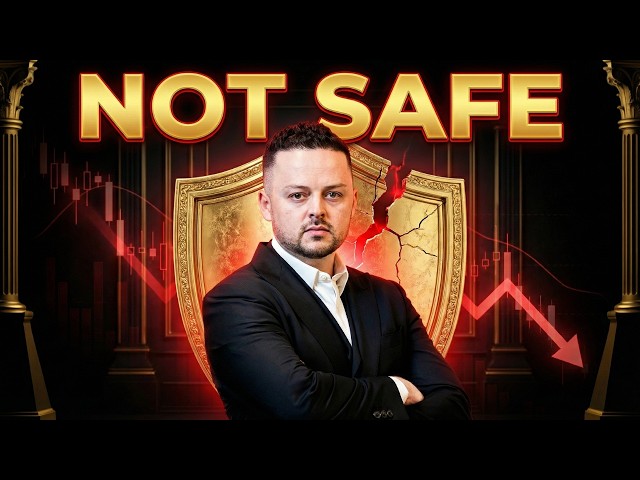
If the market drops 20% in your first two years of retirement, your portfolio may never recover. Even if markets rebound later, the withdrawals taken during the downturn permanently reduce the base your money can grow from. Early damage compounds over time.
What happens if the wrong returns show up at the wrong time?
This is why retirement today feels riskier. Market-based planning leaves you vulnerable to forces you cannot control—economic cycles, headlines, volatility, and sudden downturns.
The Second Killer: Longevity
We are living longer than ever before. That is good news. But it creates a math problem.
How do you make a pile of money last for 30 years when you do not know exactly how long that 30 years will be? You are forced to withdraw carefully. You may spend less than you want. You live cautiously because running out is not an option.
Longevity magnifies sequence of returns risk. If early losses shrink your portfolio, and you still need income for decades, the pressure increases.
For an overview of retirement income programs tied to longevity, see Social Security retirement benefits.
The Third Killer: The Tax Time Bomb
 Most retirement savings today sit in tax-deferred accounts. That means you do not fully own all of it. Uncle Sam is your silent partner.
With national debt at record highs, do you really believe tax rates are going down in the future? You could lose 30 to 40% of your buying power to taxes alone.
When you combine taxes, longevity, and sequence of returns risk, retirement becomes a balancing act. Every withdrawal matters. Every downturn matters. Every tax bill matters.
From Hope to Certainty
There is another way to think about retirement. Instead of relying entirely on projections and averages, some strategies focus on contractual guarantees.
By using insurance-based strategies, you can create what many call a retirement shield. This is not a prediction. Not a projection. It is a contractual guarantee.
Principal protection that ensures you never lose a dime in a market crash. Income you cannot outlive. A floor built under your lifestyle.
It is the difference between a variable rate and a fixed promise.
When you have a guaranteed income stream, something changes. You stop watching the news. You sleep better. You spend more freely. You live with confidence that no matter what happens on Wall Street, your paycheck is coming.
If you want to explore how to structure a retirement paycheck you cannot outlive, understanding your exposure to sequence of returns risk is a critical first step.
Retirement Should Not Be a Gamble
 Retirement should not feel like a casino. It should feel like a contract. It should be the reward for a lifetime of hard work—not a season of anxiety.
Market-based planning leaves your lifestyle exposed to volatility. Guaranteed planning builds a floor under it.
It is time to take control. Do not leave your future to chance.
Schedule your complimentary retirement protection analysis today. Move your retirement from hope to certainty.
