



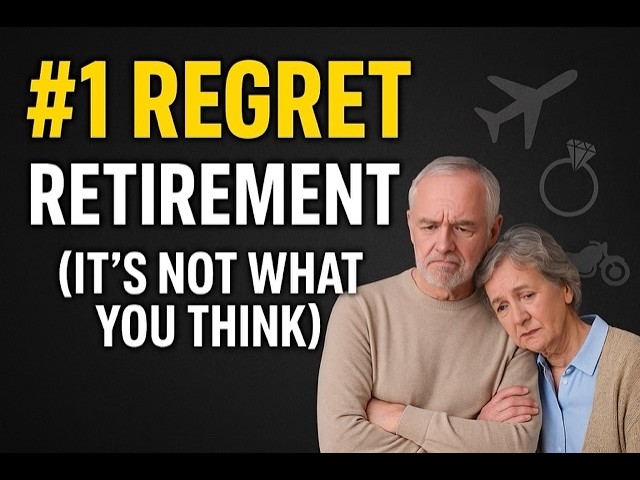
When people think about retirement regrets, they usually assume it’s about not saving enough or not investing earlier. But the reality is something completely different—and honestly, it catches most people off guard.
The number one regret many retirees have isn’t about missing out on building wealth. It’s about not using it.
Key Takeaways
- Many retirees fear running out of money more than anything else
- This fear leads to underspending during retirement years
- The biggest retirement regrets often come from not enjoying life enough
- Habits from the saving phase carry into retirement spending
- A structured income plan can help retirees feel confident spending
- Planning for “what if” scenarios reduces financial anxiety
What is retirement regrets? Retirement regrets refer to the feelings people experience later in life when they look back and wish they had made different decisions—especially around how they used or didn’t use their money during retirement.
Retirement Regrets Aren’t What You Think
 Ask most people what they think retirees regret, and you’ll hear the usual answers: not saving earlier, not maxing out a 401(k), or not working with a financial advisor sooner.
But that’s not what shows up at the end.
Instead, many retirees reach their 80s or 90s and realize they have plenty of money left—but not the time or energy to enjoy it the way they once imagined.
That’s where the real regret sets in.
Why Fear Drives Retirement Regrets
So what causes this?
It comes down to fear—specifically, the fear of running out of money.
During the working years, people build habits around saving, being frugal, and delaying gratification. That’s how they climb the “retirement mountain.”
But when they reach retirement, they don’t always switch gears.
They keep using that same muscle—saving instead of spending.
And that’s where the problem starts.
From Saving Mode to Spending Struggle
The transition from accumulation to decumulation isn’t just financial—it’s psychological.
Even with large account balances, many retirees hesitate to spend. They worry about unknowns, future costs, and whether their money will last.
So instead of enjoying their retirement, they hold back.
They skip the trips. They delay the experiences. They put off the meaningful purchases.
And over time, those missed opportunities turn into retirement regrets.
The Missed Experiences That Matter Most
This is where it gets personal.
Think about the things people often plan for retirement:
- Traveling to places they’ve always dreamed about
- Buying something meaningful for a spouse
- Giving generously to family or causes they care about
- Creating memories with kids and grandkids
In many cases, those things don’t happen—not because the money isn’t there, but because the confidence to spend isn’t there.
And later in life, when energy and health become limiting factors, those opportunities are harder—or impossible—to reclaim.
What Role Do “Curveballs” Play?
One reason retirees hold back is uncertainty about the future.
There are always potential curveballs:
- Changes to Social Security benefits
- Ongoing inflation concerns
- Uncertain investment returns
If you want to understand how Social Security fits into retirement planning, you can review the Social Security retirement benefits overview.
Without a plan that accounts for these variables, it’s natural to default to caution.
But that caution often leads directly to underspending—and ultimately, regret.
How a Retirement Income Strategy Changes Everything
 This is where having a structured plan makes a difference.
A retirement income plan that accounts for uncertainties can shift your mindset. Instead of wondering if you can afford to spend, you know what’s possible.
That clarity can give you permission to actually use your money.
If you want to explore how this works in more detail, take a look at this retirement income strategy.
The key idea is simple: when you plan for the risks, you reduce the fear.
And when the fear goes down, your ability to enjoy retirement goes up.
Spending With Confidence in Retirement
What if you knew you could spend an extra few thousand dollars each month without putting your future at risk?
That’s the kind of confidence a well-built income plan can create.
It’s not about reckless spending—it’s about intentional spending.
It’s about aligning your money with the life you actually want to live.
Because at the end of the day, the goal isn’t just to have money.
It’s to use it while you still can.
Avoiding the Most Common Retirement Regrets
So how do you avoid falling into the same trap?
It starts with recognizing that retirement regrets often come from playing it too safe.
Yes, planning matters. Yes, being responsible matters.
But so does living your life.
With the right plan in place, you don’t have to choose between security and enjoyment.
You can have both.
Final Thoughts
 Many people spend decades preparing for retirement, only to hold back once they get there.
And that hesitation can quietly shape the rest of their lives.
If there’s one takeaway, it’s this: don’t let fear be the reason you miss out.
Create a plan that gives you confidence—and then actually live the life you worked so hard to build.
Watch the full video on YouTube
If you’d like help building a retirement income plan that gives you clarity and confidence, get in touch and explore your options.
