Welcome To
Retirement Renegade
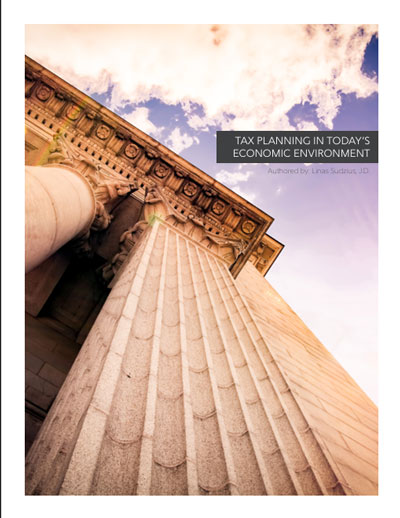
Download the guide and use it to understand how taxes can affect retirement income and what strategies may help you plan ahead.
This guide explains why retirement tax planning matters more when the economic environment is uncertain and tax rules can change. It walks through why future tax rates are hard to predict, how national debt and the broader economy can influence policy decisions, and why planning now can help protect retirement income later.
It’s built for people making long-term retirement choices—like whether to use employer plans, IRAs, Roth accounts, or other strategies—who want to understand how taxes may impact what they keep in retirement.
Inside, you’ll also see plain-language examples that show the difference between tax-deferred and tax-free growth, along with a breakdown of options people often evaluate when planning for retirement income.
When you’re investing for retirement, taxes are one of the biggest “moving parts” because you don’t just need to know when income will be taxed—you also need to know what rate may apply later. This guide explains why future tax rates are impossible to predict with certainty, why the current economic environment matters, and why some people choose strategies designed to reduce taxable income in the future.
This guide covers topics that help explain how taxes may affect retirement income planning, including:
It helps you understand how taxes can affect retirement planning, why future tax rates are uncertain, and why some strategies are designed to reduce taxable income later.
Because planning isn’t just about investment growth—it’s also about how and when your income may be taxed in the future, which affects what you keep.
It explains that many TCJA changes are set to expire after 2025 without legislative action and could revert to pre-2018 rules.
It discusses municipal bonds, Roth IRAs, and life insurance held until death as examples commonly associated with tax-free treatment, along with tradeoffs.
The guide explains that traditional IRAs grow tax-deferred and withdrawals are taxed, while Roth IRAs are funded with after-tax dollars and qualified withdrawals are generally tax-free.
"*" indicates required fields